Best Japanese Bilberry and Lutein Supplement for Eyes
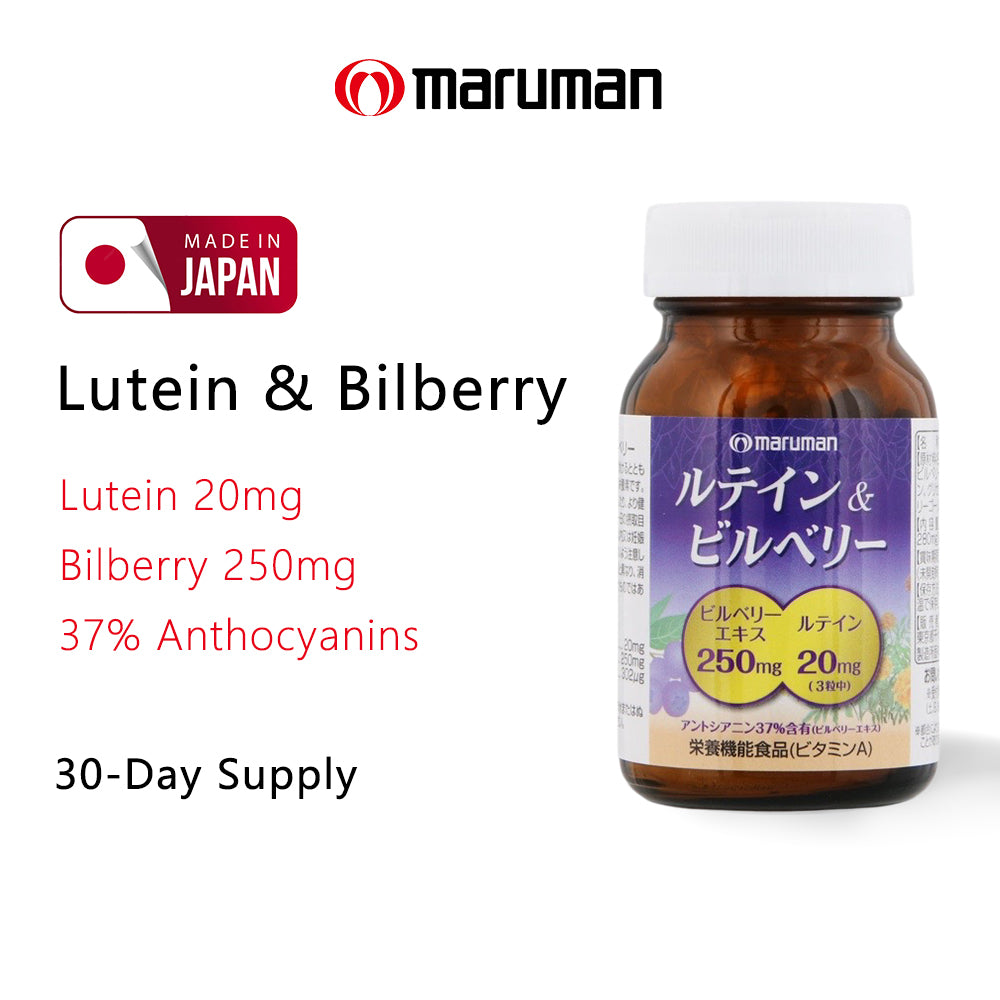
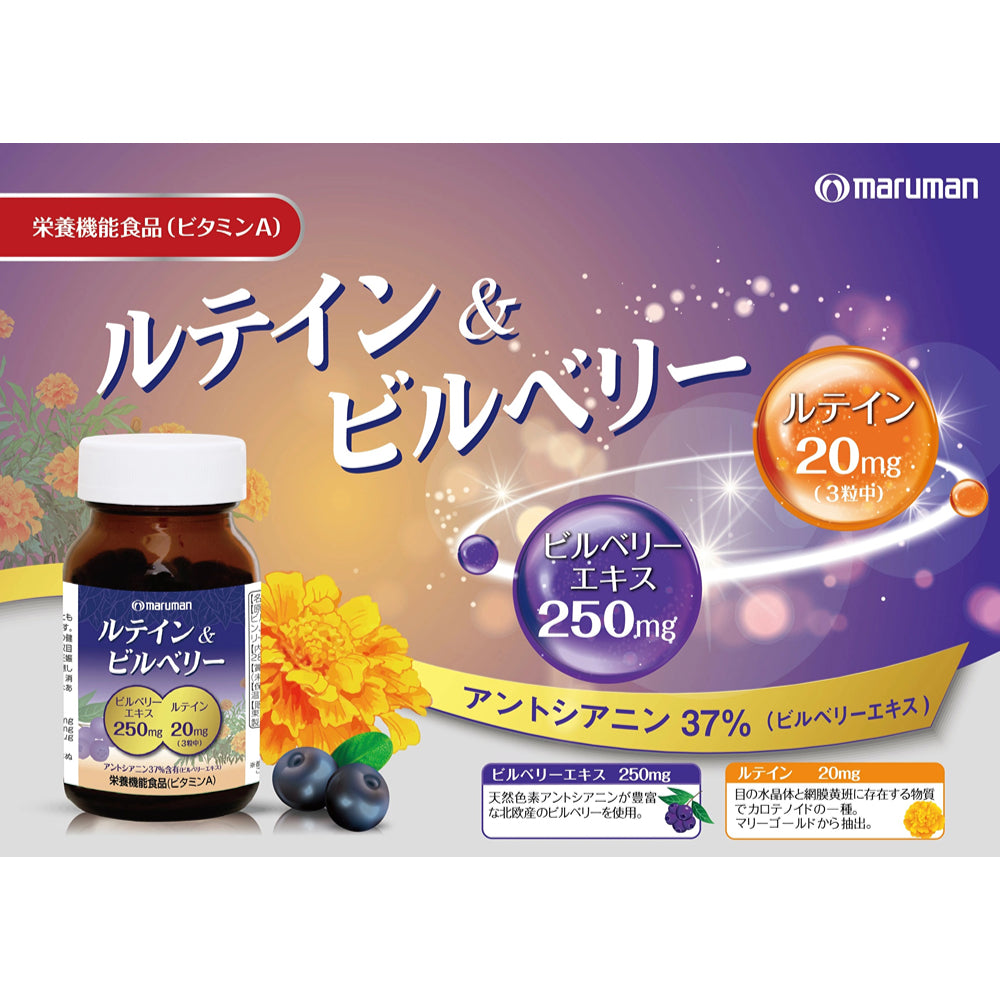
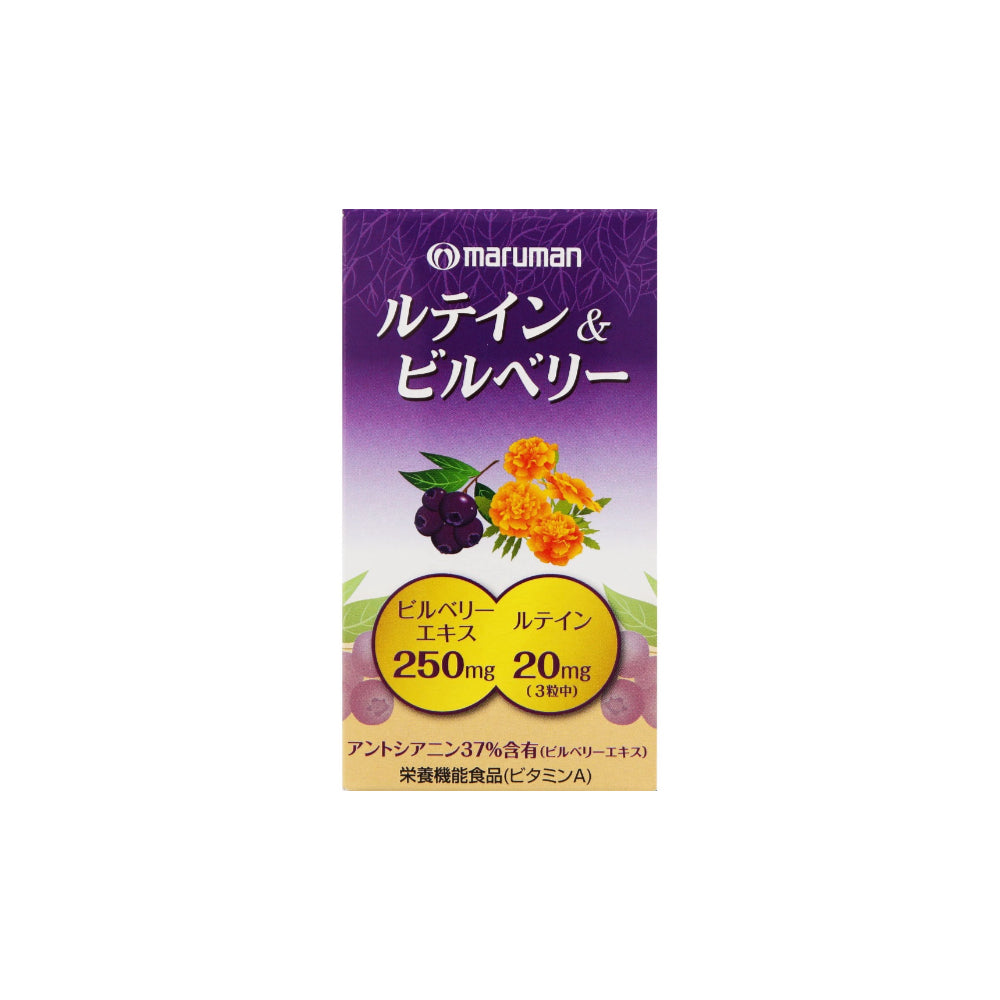
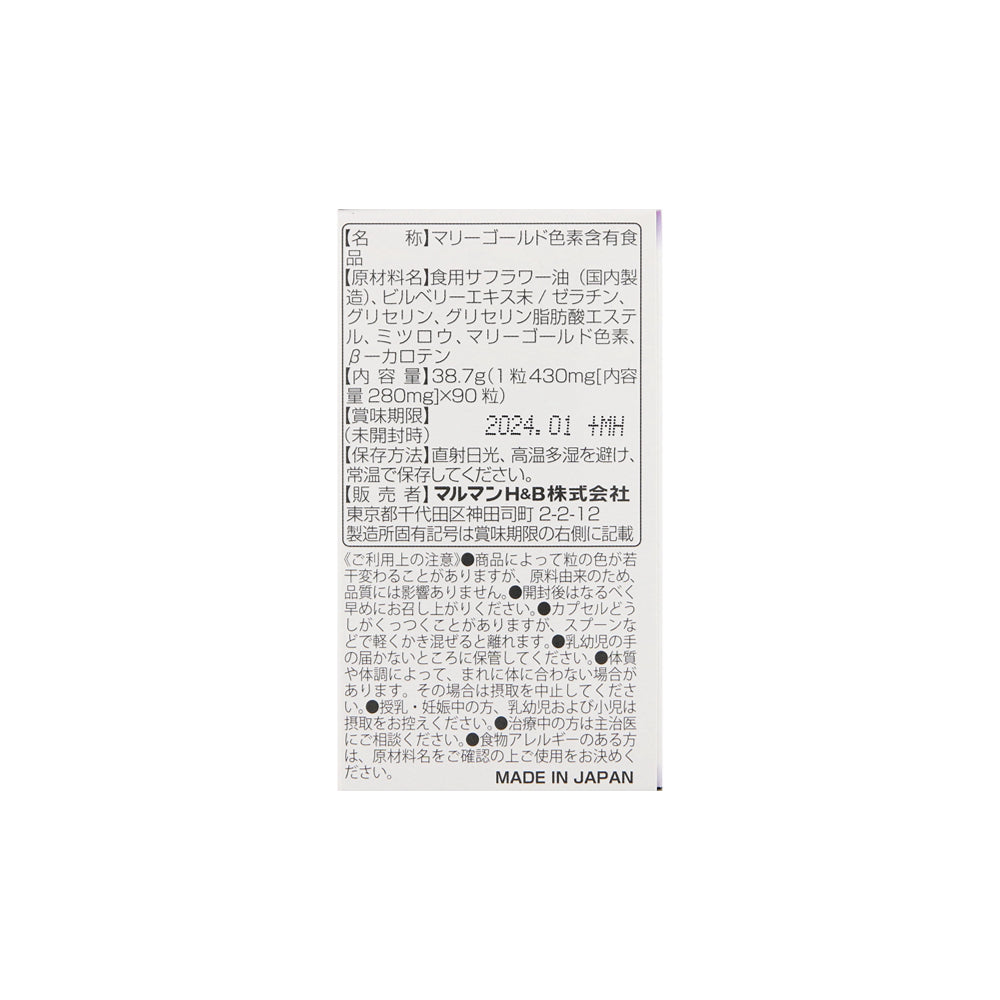
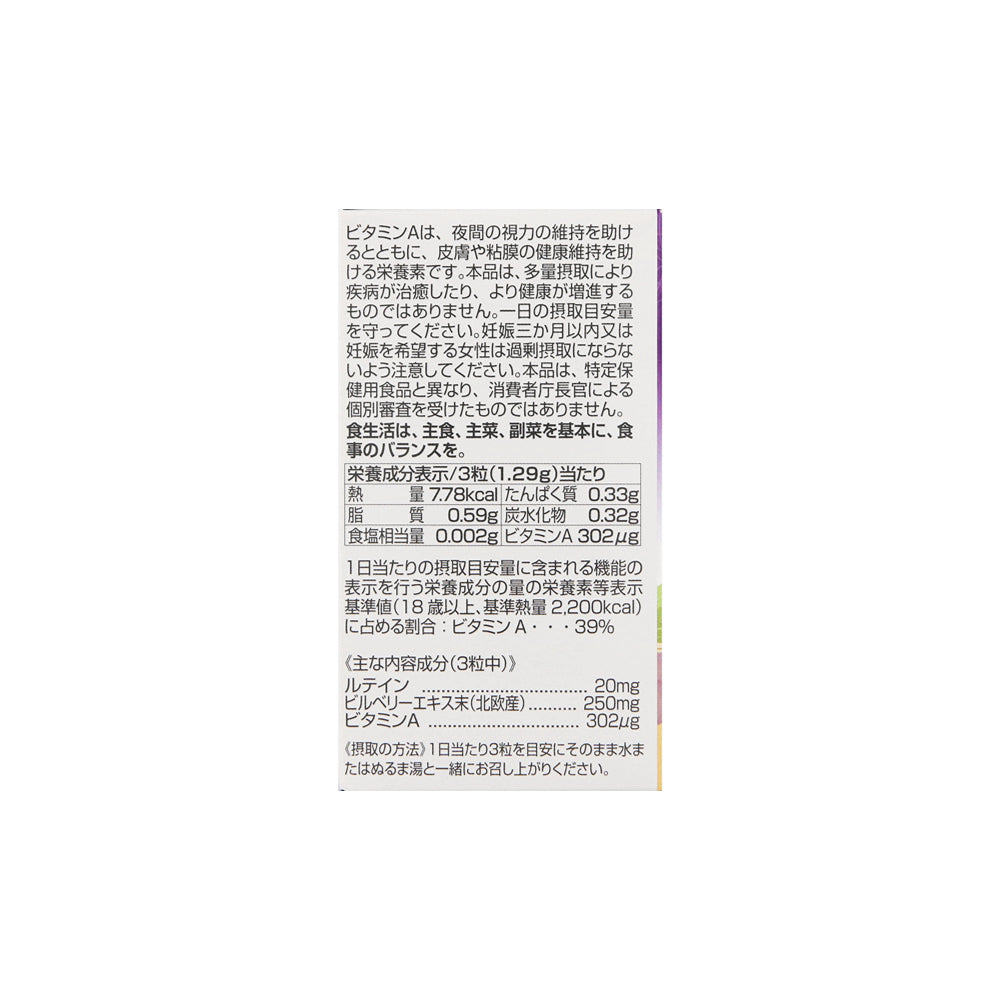
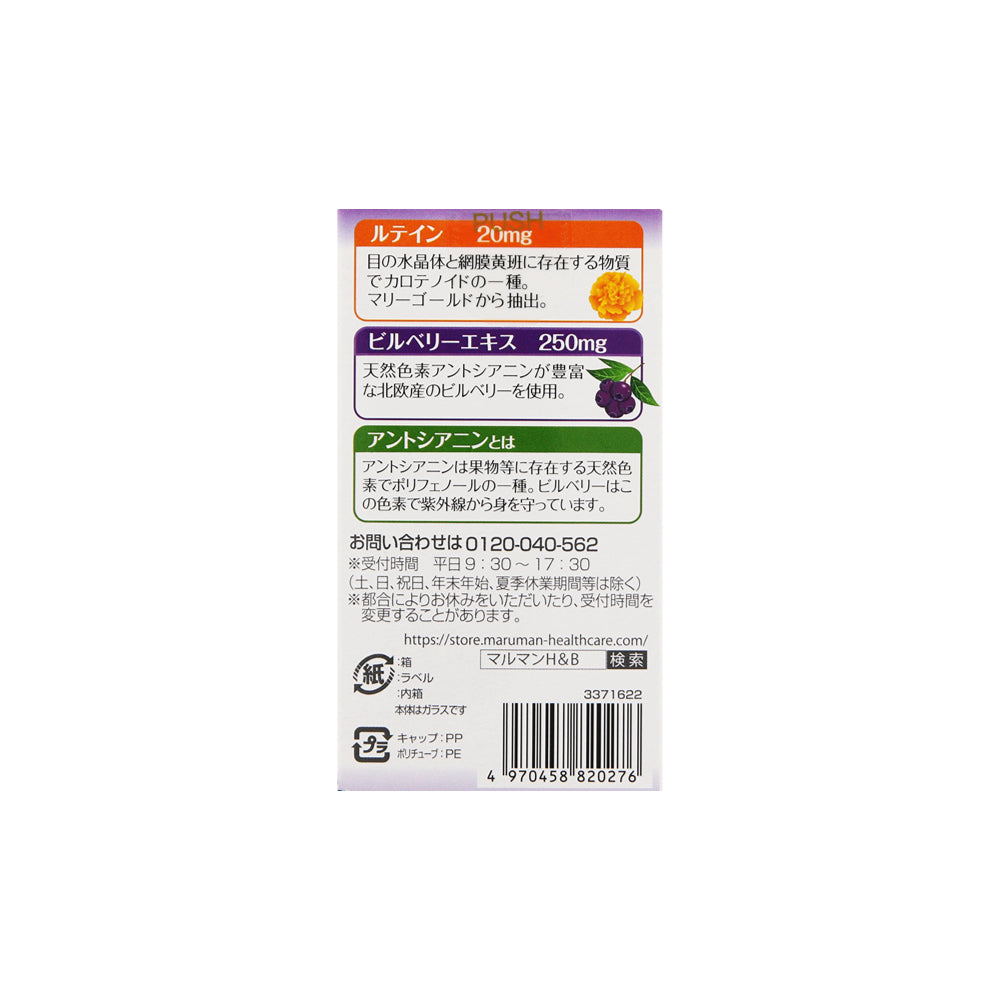
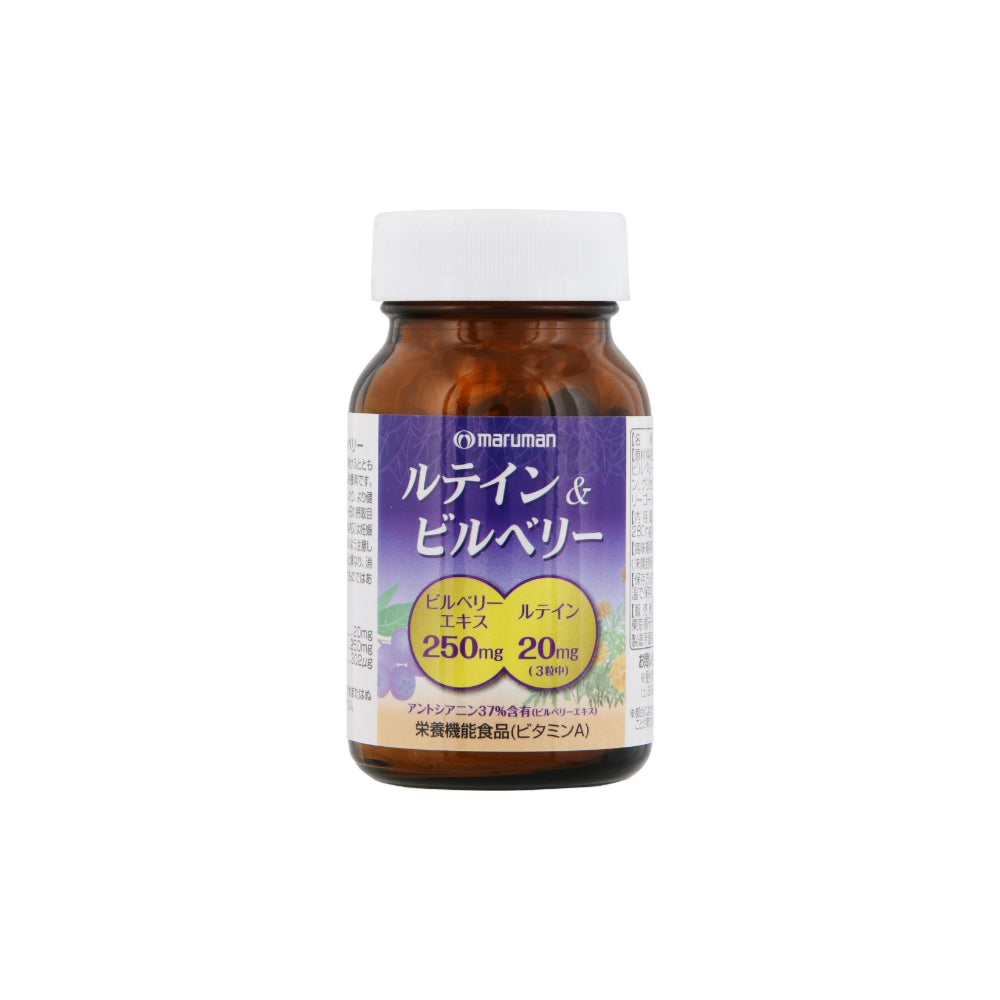
A good bilberry and lutein supplement should be easy to understand: bilberry for tired eyes, lutein for everyday eye protection. That is exactly why this Japanese bilberry and lutein formula stands out. It combines 250 mg of bilberry extract powder with 20 mg of lutein per 3 capsules, and the bilberry extract is standardized to 37% anthocyanins. With a clear ingredient story and an easy daily routine, this kind of combination is easy to appreciate for readers looking for eye support from Japan.
Bilberry Benefits vs Lutein Benefits: What Do They Actually Do for the Eyes?
Bilberry and lutein are both common in eye supplements, but they do not play exactly the same role.
Lutein is often seen as a core ingredient for daily eye care. It is closely associated with the macula and is commonly discussed in connection with filtering part of blue light, supporting macular health, and helping protect the eyes from everyday oxidative stress.
Bilberry, by contrast, is better known as an anthocyanin-rich berry extract. In eye-related supplements, bilberry is often associated with support for visual fatigue, helping the eyes feel more comfortable after long screen use, and supporting focusing adjustment during near work.
In simple reader-friendly terms, lutein sounds more like long-term protection, while bilberry sounds more like support for tired eyes after heavy daily use.
Bilberry vs Lutein for the Eyes
| Comparison | Bilberry | Lutein |
|---|---|---|
| Main eye-focused role | More associated with visual fatigue support and comfort after long screen time or close-up work | More associated with macular support, daily eye protection, and visual function |
| Best-known feature | Rich in anthocyanins | A classic eye nutrition ingredient |
| More suitable for | People whose eyes feel tired after computers, phones, reading, or other near work | People looking for a more classic, long-term eye-care ingredient |
| Reader-friendly image | A berry extract for tired eyes | A basic protective nutrient for the eyes |
This difference is easy to understand in daily life. If your main concern is screen fatigue, eye strain, or focusing discomfort after long hours of near work, bilberry feels more directly relevant. If your main concern is basic eye nutrition and long-term protection, lutein feels more direct.
Bilberry vs Blueberry
Another important reason this formula stands out is that it uses bilberry, not ordinary blueberry.
People often group the two together, but bilberry and blueberry do not give the same impression in supplements. Blueberry feels more general and familiar as a fruit ingredient. Bilberry feels more specialized, more concentrated, and more closely linked to eye-support formulas.
That is why readers searching for bilberry extract, bilberry benefits, bilberry supplement, or bilberry vs blueberry are usually looking for something more targeted than a standard blueberry product.
This is also why this Japanese formula is easy to understand. It is clearly built around bilberry extract, not just a general berry blend. For readers who want a real bilberry supplement rather than a broad fruit formula, that difference matters.
Why 37% Anthocyanins Matters
One of the strongest points of this formula is its 37% anthocyanin bilberry extract.
This makes the product feel much more specific and convincing. Instead of simply saying it contains bilberry, it tells readers something clear about the identity of the extract. Anthocyanins are the deep purple-red pigments that bilberry is known for, so a clearly stated anthocyanin level gives the supplement a more serious and more premium image.
For many readers, that is exactly what helps a bilberry extract supplement stand out from an ordinary berry capsule. It makes the ingredient story clearer and gives the product a more focused eye-support identity.
Why Bilberry and Lutein Work Well Together
This is also why bilberry and lutein make such a natural combination.
Bilberry brings the image of anthocyanin-rich support for tired eyes.
Lutein brings the image of classic eye nutrition and daily protection.
Put together, the formula becomes very easy to understand. One side speaks to people who feel their eyes get tired after screens, reading, or office work. The other side speaks to people who want a more traditional foundation for everyday eye care. That combination feels more complete than choosing only one direction.
For people who spend long hours on computers, smartphones, tablets, reading, paperwork, or other close-up tasks, this kind of formula feels especially practical. It combines the “tired eyes” story with the “daily protection” story in one supplement.

Sold in Japanese Drugstores, Not Just Online
Another reassuring point is the overall image of the product.
This is not the kind of formula that feels made only for short-term online promotion. It has the image of a Japanese supplement that belongs in the regular market, including large drugstores. That matters because many readers trust products more when they feel like something people in Japan actually buy as part of daily life.
For overseas customers, that Japanese drugstore feeling adds a lot of confidence. It makes the supplement feel more practical, more established, and more suitable for long-term use.
A Japanese Brand with History
The brand behind the product also makes it feel more dependable.
maruman is a long-established Japanese brand, and that background gives the product a more stable image. Instead of feeling like a one-time launch or a trend formula, it feels like part of a broader Japanese health and beauty lineup. For daily supplements, that kind of brand history matters.
Eye supplements are usually not something people buy once and forget. They are more often chosen as part of an ongoing routine. A brand with history makes that routine feel easier to trust and easier to continue.
Q&A
Is bilberry the same as blueberry?
Not exactly. They are related berries, but they are not the same in supplement terms. Blueberry sounds more general, while bilberry is more often used in eye-support formulas and is better known for its anthocyanin-rich extract profile.
Is bilberry or lutein better for the eyes?
They are better known for different reasons. Bilberry is easier to associate with tired eyes, visual fatigue, and heavy daily screen use. Lutein is easier to associate with macular support and everyday eye protection. Many readers prefer a formula that includes both.
Why combine bilberry and lutein in one supplement?
Because the combination is easy to understand and easy to continue. Bilberry speaks to screen-related tired eyes and visual fatigue, while lutein speaks to daily eye nutrition and protection. Together, they feel more complete than choosing only one direction.
What makes 37% anthocyanins important?
It gives the bilberry extract a clearer identity. Instead of just saying “contains bilberry,” the formula shows that the extract is standardized and concentrated. That makes the product feel more specific and more premium.
Who may prefer bilberry more?
Bilberry may feel more appealing to people who spend long hours on computers, smartphones, tablets, reading, or other close-up work and mainly want support for tired eyes and daily visual fatigue.
Who may prefer lutein more?
Lutein may feel more appealing to people who want a classic eye-care ingredient associated with macular support, blue-light-related protection, and everyday eye nutrition.
Why does it matter that this is sold in Japanese drugstores?
Because that gives the product a more established image. Many readers trust supplements more when they feel like real products sold through Japan’s regular retail market, not formulas created only for short-term online promotion.
Is maruman Bilberry & Lutein easy to take as a daily routine?
Yes. One reason the formula is appealing is that the ingredient story is simple and practical: bilberry for tired eyes, lutein for everyday protection. That makes it easy to understand as a daily supplement.
Final Thoughts
If you are looking for a supplement that clearly combines bilberry extract and lutein for daily eye support, this Japanese formula is easy to appreciate. It uses bilberry instead of ordinary blueberry, combines 250 mg of bilberry extract powder with 20 mg of lutein, and highlights a strong 37% anthocyanin bilberry extract.
More importantly, the formula tells a very clear story:
Bilberry is for tired eyes.
Lutein is for everyday eye protection.
That is what makes the combination so appealing. One ingredient speaks to daily visual fatigue and focusing comfort, while the other speaks to long-term nourishment and protection. For many readers, that is exactly what makes a bilberry-and-lutein supplement feel complete.